Skip to main content
South Tampa Hair Salon Specializing in Personalized Women’s & Men’s Haircuts
dry haircutting, texture, movement with InTeXT Artistry CuT, keratin treatments and hair color
Trends By DeVicci at
Enso Hair Studio in South Tampa.
Your hair has its own texture, density, movement, and personality. Your haircut should be designed around it.
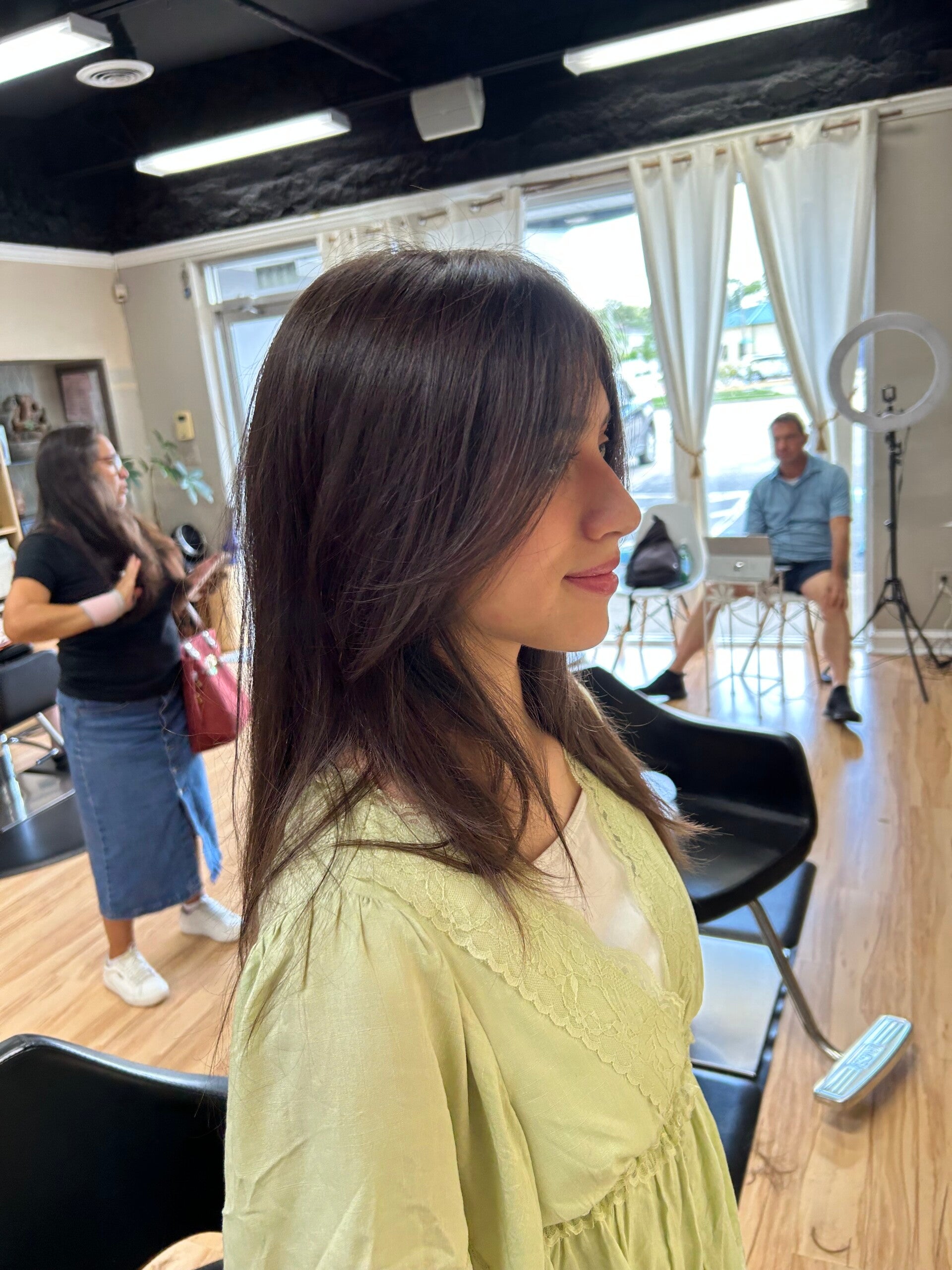
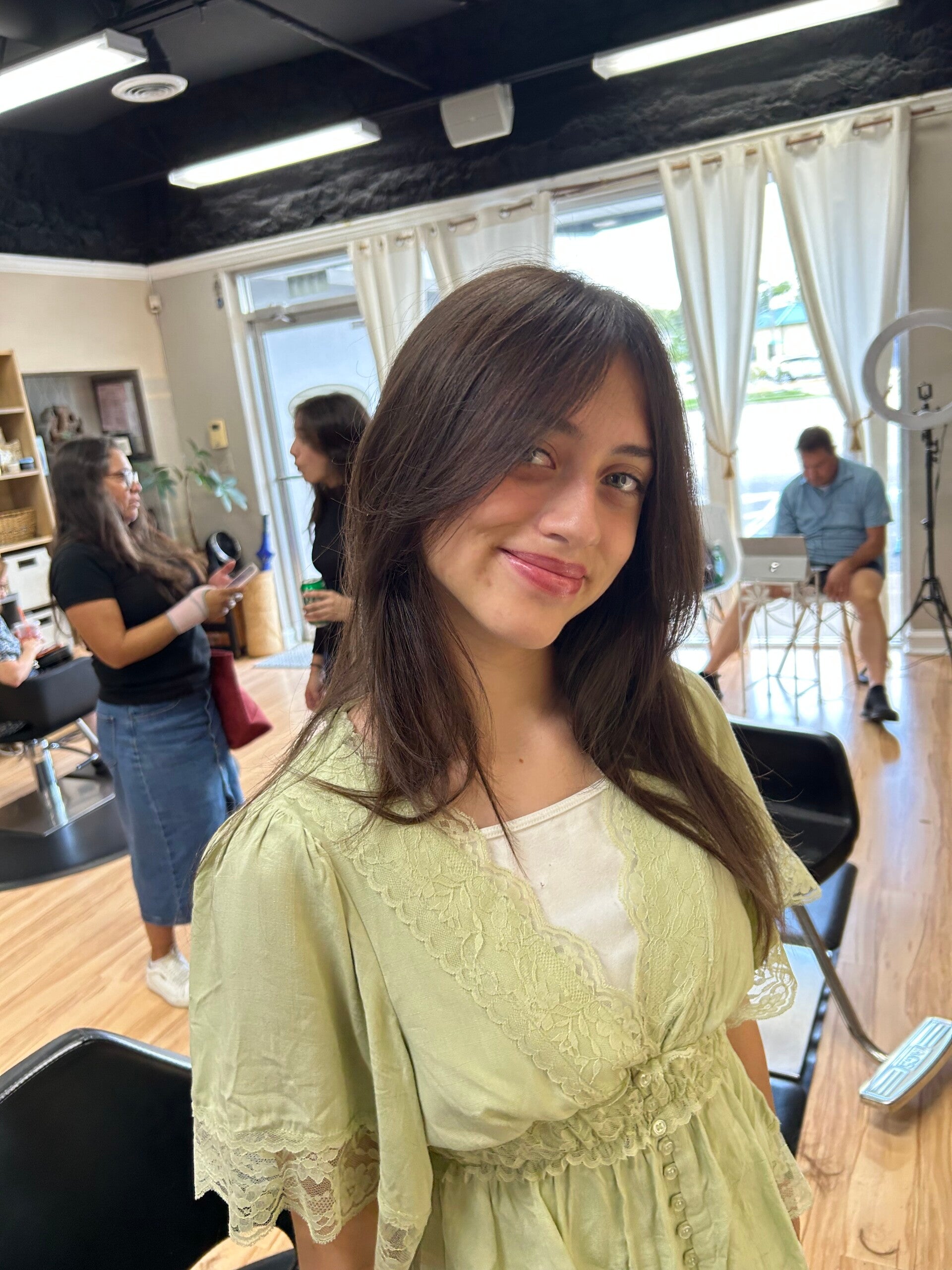
At Trends By DeVicci, Pat DeVito specializes in the InTeXT Artistry CuT—a personalized approach to haircutting that works with the natural structure and behavior of your hair to create shape, movement, balance, and lasting volume.
Whether your hair is fine, thick, curly, wavy, straight, or difficult to manage, the goal is simple:
A haircut that works with your hair—not against it.
South Tampa
• Palma Ceia • Bayshore • Hyde Park • Westshore
Your Hair Is Unique. Your Haircut Should Be Too.
No two heads of hair behave exactly the same.
That’s why Pat takes the time to understand your hair before deciding how it should be cut. Texture, density, growth patterns, face shape, lifestyle, and the way you naturally wear your hair all play a role.
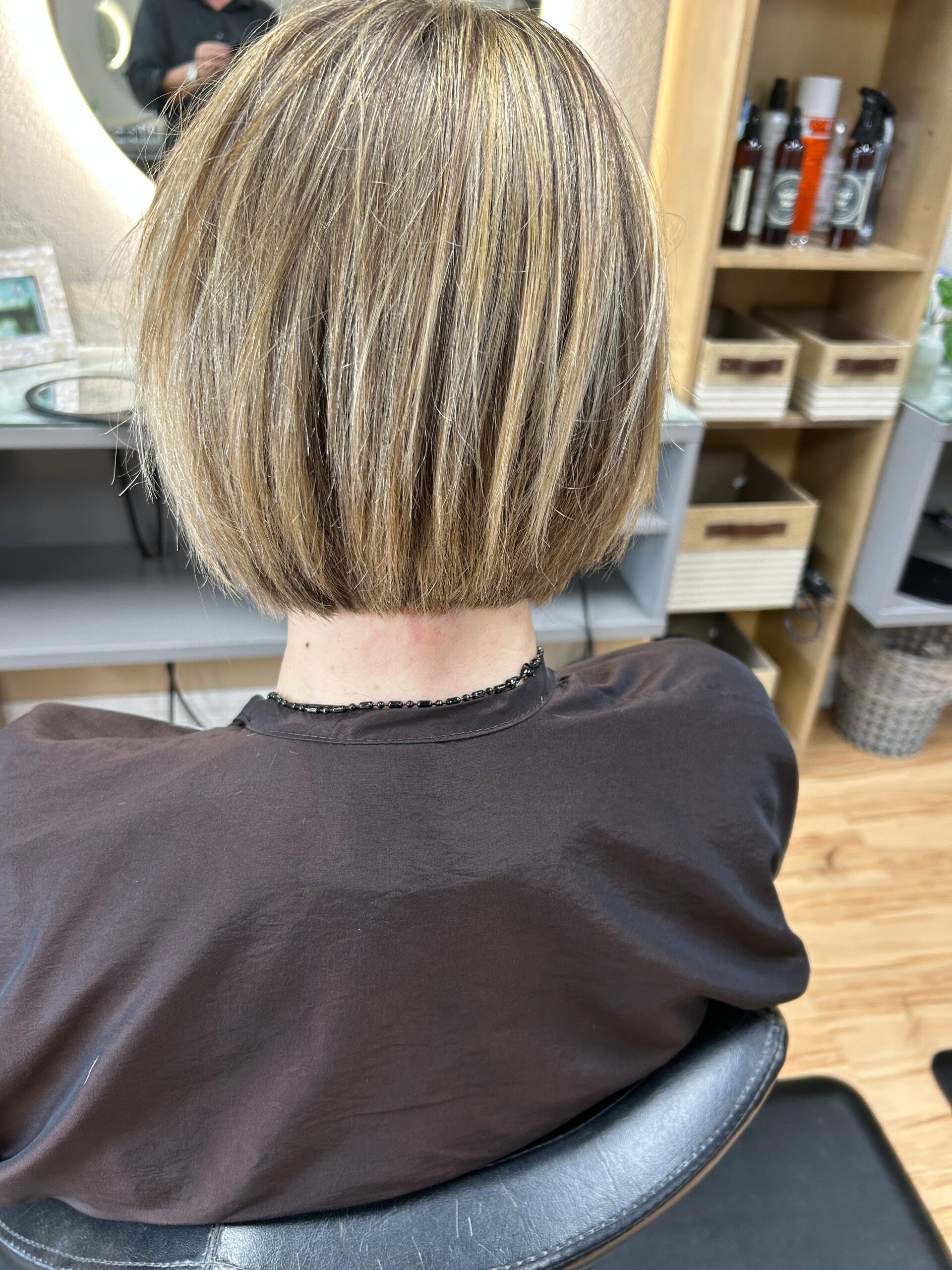
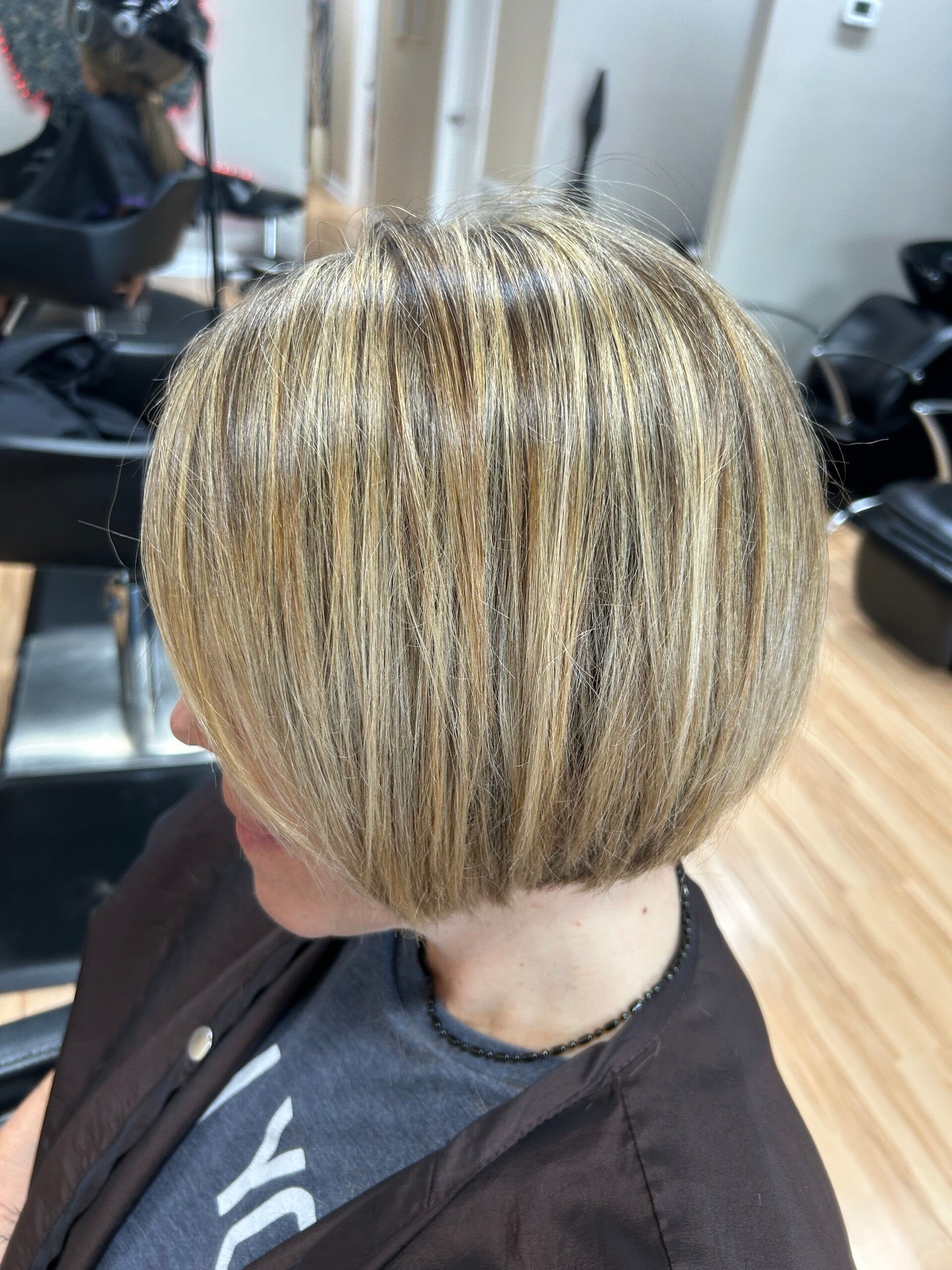
The InTeXT Artistry CuT is designed to create a personalized shape from the inside out, allowing your hair to move naturally while reducing unnecessary bulk and creating the volume and texture you want.
The result is a haircut designed specifically for you.
[DISCOVER THE INTEXT ARTISTRY CUT]
A Different Approach to Dry Haircutting
See Your Hair for What It Really Is
Hair behaves differently when it is wet than when it is dry.
Dry haircutting allows Pat to observe your hair's natural texture, movement, density, and growth patterns as they actually exist.
This is especially valuable for hair that is:
- Curly or wavy
- Thick or dense
- Fine or lacking volume
- Prone to frizz
- Difficult to control
- Naturally textured
Instead of forcing your hair into a shape, the goal is to create a shape that works with the way your hair naturally moves.
DISCOVER THE DIFFERENCE
Master Artistry • Precision Cutting • Personalized Style
You’re not just a client—you’re a guest.
Welcome to Trends by DeVicci, where artistry, innovation, and personalized hair care come together.
Pat DeVito, Master Stylist and Haircutting Specialist, believes your best look begins with a personal consultation. By listening to you and understanding your hair, lifestyle, vision, and personal style, Pat creates a look that is uniquely yours—the look you’ve always wanted.
FROM CONSULTATION TO CREATION
✨ InTeXT Artistry CuT
Personalized interior-to-exterior haircutting designed to create natural movement, shape, softness, volume, and manageability.
✨ Master Artistry & Precision Cutting
Custom cutting designed around your natural texture, features, lifestyle, and desired style.
✨ Keratin Treatments
Create smoother, shinier, healthier-looking, and more manageable hair.
✨ Color & Highlights
Personalized color, dimension, brightness, and shine designed to complement your individual look.
✨ Everyday Hair Made Beautiful
Styles created to look beautiful in the salon and remain manageable and effortless in everyday life.
PERSONALIZED TO YOU.
STYLED WITH PASSION.
FINISHED WITH PRECISION.
Whether your style is classic and conservative, modern and sophisticated, or fresh and fashion-forward, Pat takes the time to create a look that feels like you.
From the first consultation to the final finish, every detail is about you, your hair, and the look you’ve always wanted.
✨ COME DISCOVER THE DIFFERENCE
Trends by DeVicci at Enso Hair Studio
2111 S. Dale Mabry Hwy.
Tampa, FL 33629
Ask for Pat DeVito - 617-966-5355
Conveniently located in South Tampa and serving clients from Palma Ceia, Bayshore, Hyde Park, Westshore, and throughout the Tampa Bay area.
Clients travel from across Tampa Bay for Pat’s specialized approach to dry haircutting, texture, and keratin treatments.
Tampa Bay Area
Your Style. Your Vision. Your Look.
Expert Dry Haircuts & Creative Haircutting in South Tampa
Beyond the ordinary
Trends by DEVICCI at Enso Hair Studio
Where Artistry, Innovation, and Hair Science Come Together
Welcome to Trends by DEVICCI at Enso Hair Studio, the premier beauty salon and hair salon destination known for creative craftsmanship, advanced haircare knowledge, and unforgettable client experiences. Here, every haircut and treatment is elevated with precision, personalization, and pure artistry.
Pat DeVito — Innovative, Creative Haircutting Specialist
At the heart of our salon is Pat DeVito, a master stylist celebrated for innovative, forward-thinking haircutting techniques that shape, sculpt, and personalize your look. Pat’s signature approach blends:
✨ Architectural precision
✨ Movement and texture
✨ Face-framing artistry
✨ A deep understanding of hair behavior
Whether you want something modern, classic, edgy, or softly sculpted, Pat delivers the personalized look you’ve always envisioned — a true custom cut designed for you.
Haircuts for Men & Women
Our men’s haircuts and women’s haircuts combine design, detail, and comfort. We specialize in shaping hair to enhance your natural features and lifestyle. If you’re searching for a men’s salon, women’s haircut near me, or a creative hair salon, Trends by DEVICCI is your perfect match.
Dimensional Highlights & Color
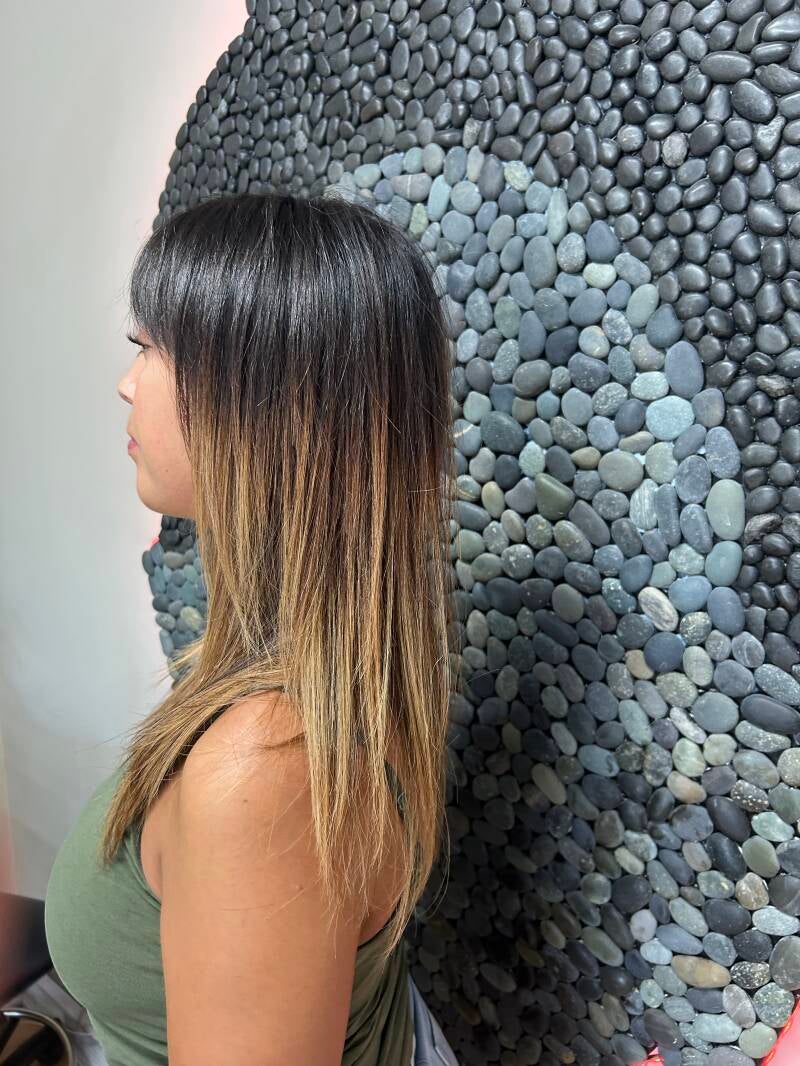
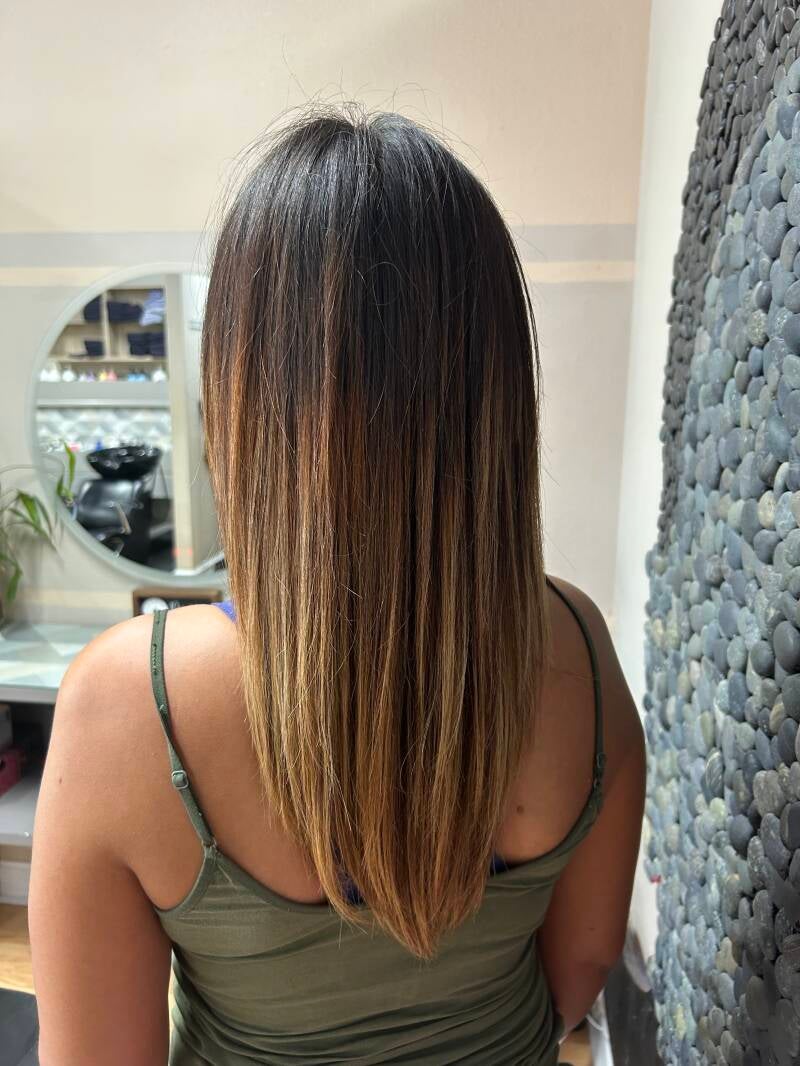
Highlights, balayage, and advanced color services bring brightness, depth, and natural dimension to your hair. Each color service is custom-crafted to enhance movement, shine, and your unique haircut.
Signature Blowouts
Our professional blow-dry and styling services create smoothness, volume, and long-lasting finish — from sleek and glossy to soft and bouncy.
Keratin Smoothing by Experts Who Understand Hair Science
We are widely recognized for our expertise in Keratin Smoothing Treatments, combining experience with hair-bond science. Our advanced technique ensures:
✔ Cuticles stay properly sealed
✔ Internal bonds remain strong
✔ Hair becomes healthier, shinier, and more manageable
✔ Long-lasting smoothness without damage
Searching for the best keratin treatment near me? Trends by DEVICCI is known for results that look natural, feel luxurious, and last beautifully.
Why Clients Love Trends by DEVICCI at Enso Hair Studio
✔ Creative, artistic haircutting by Pat DeVito
✔ Personalized consultations & custom looks
✔ Expertise in hair structure, bonds & cuticle health
✔ Luxury results that keep hair healthy
✔ A chic, relaxing salon environment
Book Your Experience at Trends by DEVICCI Today
Discover why we are a top-rated beauty salon and hair salon in the region. Whether you want a fresh men’s cut, a signature women’s haircut, luminous highlights, or a transformative keratin smoothing treatment, your perfect look begins here.
Your hair. Your artistry. Your transformation
Trends by Devicci | Haircutting in Palma Ceia & South Tampa
At Trends by Devicci, we specialize in texture volume and creative haircuts. Our dry hair cutting techniques are innovative. InTeXT hair cutting system, transforms the haircut from within the haircut. Ultimately see and feel the wonderful difference
The Power of Interior to Exterior Haircutting Artistry in South Tampa: Movement, Softness & Style
Pat DeVito understand that the true foundation of a personalized haircut lies in managing the interior structure of the hair — not just the exterior shape. Our signature method, the InTeXT Artistry CuT System, focuses on creating internal movement that results in softness, lightness, and effortless manageability across all hair types.
Interior Haircutting = Personalized Hair Movement
Whether you're going for a fashion-forward, edgy look or a more classic, conservative cut, the secret to a great haircut is what happens inside the shape. By designing volume, lift, and flow from within, we craft haircuts that are:
• Freestanding and self-supporting
• Easy to style and maintain
• Naturally voluminous
• Textured with dimension
• Adaptable for every lifestyle
This internal customization means your style won’t fall flat. Instead, it moves, breathes, and responds to your natural hair pattern and personal features.
A Scientific, Artistic Approach to Haircutting
Our advanced haircutting approach also considers the changing bone structure of the head over time, which directly impacts how weight and bulk sit in the hair — especially for those with coarse or curly hair. We design cuts that enhance natural flow and reduce unwanted heaviness by shaping the internal structure in harmony with your head shape and hair's natural curvature.
InTeXT Artistry CuT: Versatile. Custom. Modern.
With the InTeXT Artistry CuT, we are able to create an infinite gallery of cuts — from bold trends to soft elegance — all customized to your facial features, hair texture, and personal style. Even clients with hair extensions benefit, as our method allows us to control and blend the added weight seamlessly into your natural hair.
Serving Palma Ceia and the Surrounding South Tampa Area
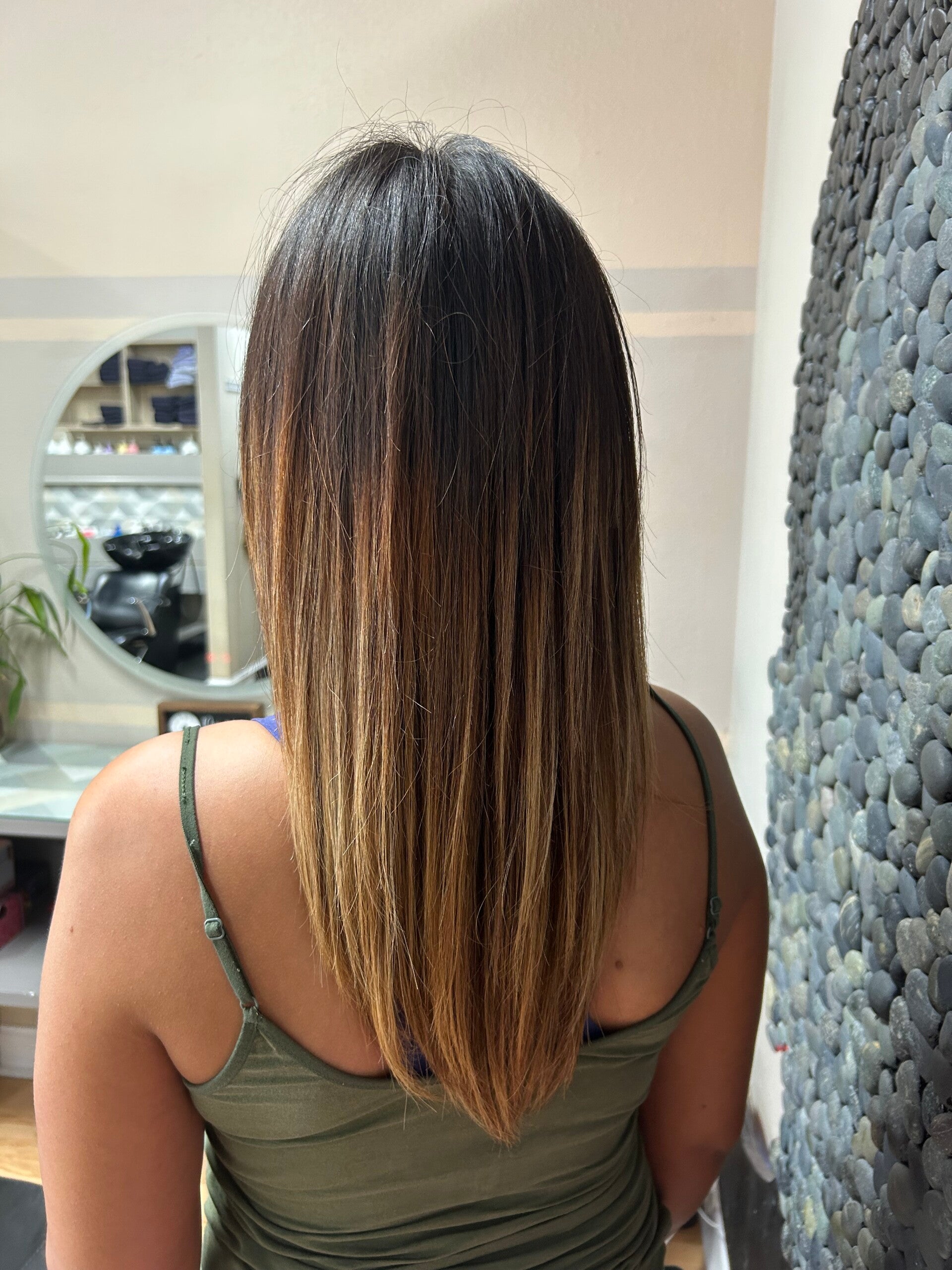
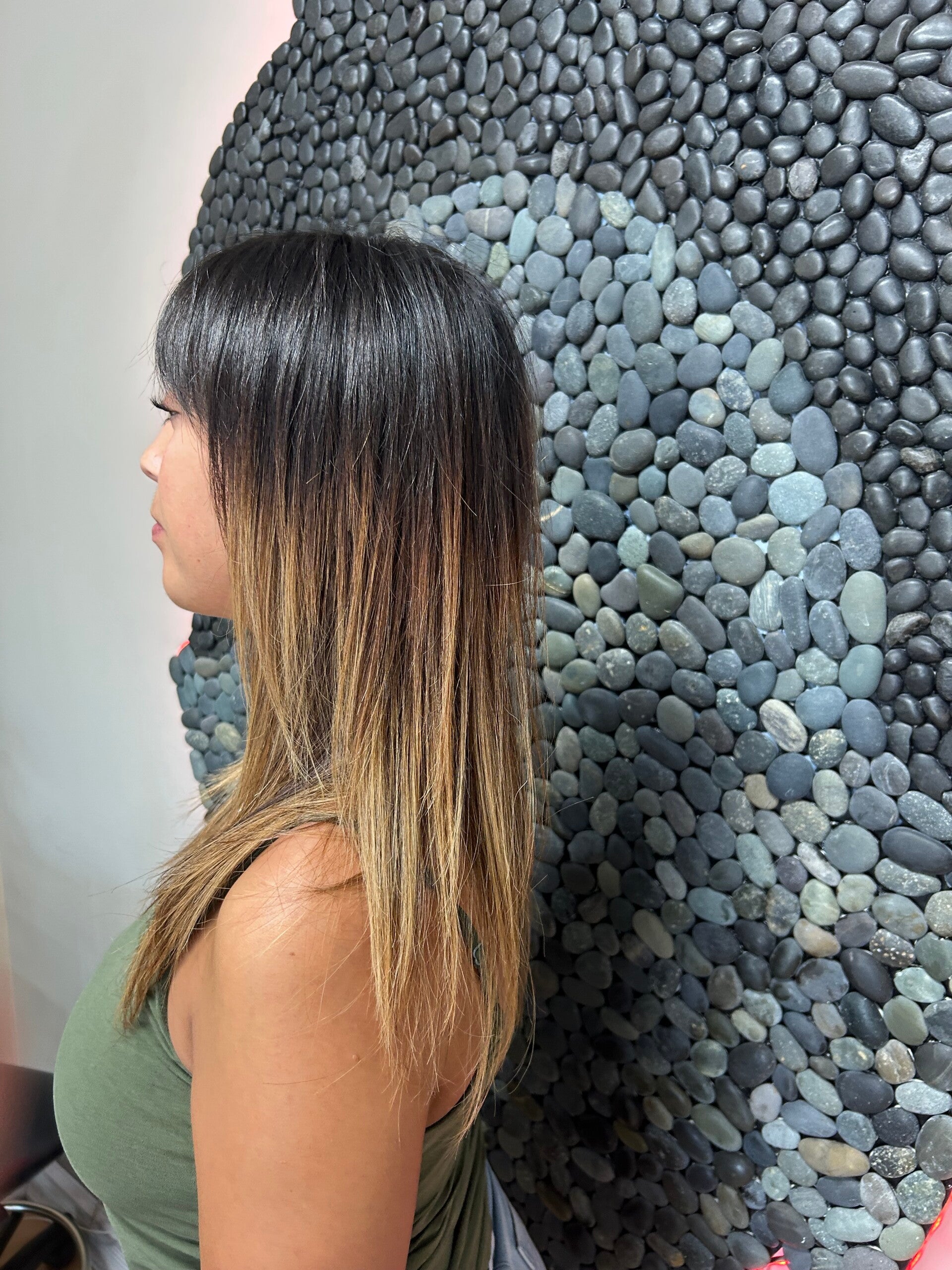
Personalized artistic haircuts for a unique look.
Keratin Treatments
Smoother, More Manageable Hair
Florida humidity can make managing your hair a daily challenge.
Frizz, unwanted volume, and difficult-to-control texture can make styling frustrating.
A professional keratin treatment can help smooth the hair, reduce frizz, improve manageability, and make everyday styling easier.
Pat DeVito at Trends By DeVicci, keratin services are personalized to your hair and your desired result.
Whether you're looking for smoother hair, easier styling, or better control in Tampa Bay’s humidity, Pat can help you determine whether a keratin treatment is right for you.
EXPLORE KERATIN SERVICES
Hair That Works in Tampa Bay
Because Florida Has a Way of Changing Your Hair
Tampa Bay humidity can dramatically change the way your hair behaves.
The right haircut and the right treatment should take that into consideration.
At Trends By DeVicci, the goal is to create hair that looks beautiful not only when you leave the studio, but also when you're living your everyday life in Florida.
Add body and dimension to your hair for a voluminous appearance.
Modern and edgy dry hair cutting techniques for a shattered look.
Frequently Asked Questions
Trends by Devicci stands out with our unique texturizing system and innovative dry cutting techniques.
We recommend getting a haircut every 4-6 weeks at Trends by Devicci to maintain your style.
Yes, we offer consultations for new clients to discuss your desired look and style preferences.
“I absolutely love the unique texturizing system at Trends by Devicci. My hair has never looked better!”
[ Tracy McGonagle]
Contact us
Contact us today to schedule your appointment and elevate your style.
Location
Trends by Devicci At Enso Hair Studio
2111 South Dale Mabry Highway
Tampa Florida, 33629
About us
Trends by Devicci is a leading hair salon in South Tampa, Florida, specializing in texture volume and creative haircuts. Our dry hair cutting specialist, Pat Devito, is known for innovative techniques that create modern and edgy styles.
Humidity has a way of exposing every weakness in a haircut, color service, and home routine. A true frizzy hair smoothing transformation is not about pressing the life out of your hair or making every client look the same. It is about creating controlled movement, a healthier-looking surface, and a shape that still feels like you when Tampaâs moisture rises.
For some clients, smoothing means a glossy blowout that holds its finish. For others, it means curls that stay defined instead of expanding, or thick hair that finally falls into a polished silhouette without a daily battle. The right result starts by identifying why the hair is frizzing in the first place.
Why Frizz Is More Than a Surface Problem
Frizz is often treated like a styling problem, but it usually begins with hair behavior and internal structure. When the cuticle is lifted or uneven, the hair takes on moisture from the air. Each strand swells differently, which is why hair can look rough, puffy, or undefined even after careful styling.
Chemical services, heat tools, sun exposure, hard water, and friction from towels or pillowcases can all contribute. Natural texture matters too. Curly, wavy, coarse, and high-density hair is not automatically unhealthy because it has volume or movement. It simply requires a design and care plan that respects how it grows, bends, and responds to moisture.
An overly layered cut can make that response worse. If too much weight has been removed from the wrong areas, the hair may lack the internal support needed to settle into a clean shape. Adding another smoothing product may camouflage the issue temporarily, but it will not correct a haircut that is working against the texture.
A Frizzy Hair Smoothing Transformation Starts With the Cut
The most convincing smoothing transformations are built from the inside out. Before recommending a treatment, a specialist should assess density, curl pattern, previous color, porosity, face shape, lifestyle, and the amount of styling a client realistically wants to do.
At Trends by Devicci, the InTeXT Artistry CuT System approaches shape through dry haircutting and interior architecture. Rather than relying on conventional layers alone, the method selectively reshapes the internal mass of the hair. This can release unwanted bulk, preserve the weight that keeps ends polished, and create movement that does not erupt into frizz when the hair dries naturally.
That distinction matters. A client with dense, wavy hair may need strategic internal space so the shape can breathe. A client with fine hair and fuzzy ends may need more perimeter strength, not more thinning. Someone with curls may need a structure that encourages definition and lift while protecting the integrity of the curl pattern.
The goal is not to make texture disappear. It is to give texture a more intentional expression.
What a Well-Designed Cut Changes
When the cut is designed for the hairâs actual behavior, blow-drying becomes faster and less aggressive. Hair can move without becoming triangular, overly wide, or disconnected at the ends. Your styling products also work more effectively because they are supporting a shape with balance rather than trying to force one into place.
This is why clients sometimes notice that their hair looks smoother before a smoothing treatment is even applied. Better architecture creates better control.
Choosing the Right Smoothing Service
A professional smoothing service can be a powerful option, but it should be selected with precision. Not every frizz concern needs the same answer, and not every client wants the same finish.
Keratin smoothing treatments are often ideal for clients who want reduced frizz, shorter styling time, more shine, and softer movement without committing to permanently straight hair. Depending on the formula, hair condition, and aftercare, the result can last for several weeks or months. The effect typically fades gradually, allowing natural texture to return over time.
The trade-off is that a smoothing treatment requires a thoughtful consultation. Previously lightened, highly porous, or compromised hair may need restorative care before receiving any heat-assisted service. Clients who love wearing strong curls may prefer a curl-supportive routine and a precision cut over a treatment that relaxes their pattern more than they want.
Color timing matters as well. Highlights, balayage, and one-process color affect the cuticle, so service sequencing should be planned around the hairâs condition and the desired result. There is no one-size-fits-all formula for healthy shine.
Smooth Does Not Have to Mean Flat
One of the most common concerns is losing volume. That can happen when smoothing is performed without considering density, root lift, and the clientâs preferred finish. But sleekness and body are not opposites.
The right service can soften the surface of the hair while a customized cut maintains movement and shape. Blow-drying technique also matters. Root direction, brush tension, and controlled heat can create lift at the scalp while keeping mid-lengths and ends refined. The result is polished hair with presence, not hair that hangs limp around the face.
Protecting the Result Between Appointments
A salon transformation becomes more valuable when it improves your everyday routine. At home, the objective is to minimize new cuticle disruption while using products that suit your texture instead of weighing it down.
Start with gentle cleansing and conditioning selected for your hairâs needs. Over-cleansing can leave some hair types feeling stripped and more reactive to humidity, while heavy oils and masks can make fine hair collapse. A professional recommendation is especially useful if you have color-treated hair, extensions, curls, or a smoothing service.
After washing, avoid aggressively rubbing hair with a standard bath towel. Press out water with a soft microfiber towel or cotton T-shirt, then apply a leave-in or heat protectant before blow-drying. If you air-dry, use a product that supports your natural pattern rather than repeatedly touching the hair as it dries. Constant handling separates strands and invites more frizz.
Heat tools are not the enemy, but uncontrolled heat is. Use the lowest effective setting, work in clean sections, and make sure hair is fully dry before finishing. Running a flat iron over damp areas can cause unnecessary damage and quickly undo the smoothness you worked to create.
When Frizz Signals a Bigger Change Is Needed
Sometimes frizz is simply seasonal. Other times, it is a sign that your current hair plan has reached its limit. If your ends feel rough no matter what you apply, your blowout stops looking finished within an hour, or your hair has become unpredictable after color or a major life change, it may be time for a new approach.
A personalized consultation can separate a haircut issue from a condition issue. It can also reveal when the answer is not a smoothing treatment at all. A small adjustment in interior shape, a stronger perimeter, a color plan with more recovery time, or a different styling routine may deliver the better outcome.
Questions Clients Ask About Smoothing Frizzy Hair
Will a smoothing treatment make my hair completely straight?
Not necessarily. Results depend on the treatment, your natural texture, and the finishing technique. Many clients choose smoothing because they want less frizz and easier styling while keeping bend, body, or curl.
Can I get a smoothing service if my hair is colored?
Often, yes, but the hair must be assessed first. The condition of lightened sections, existing color history, porosity, and your future color goals all influence the safest service plan.
How often should I get a haircut to control frizz?
It depends on length, texture, and chemical history. Many clients benefit from regular refinement appointments before split ends and lost shape begin to make styling harder. The best schedule is one that maintains the structure of your particular cut.
Beautifully smooth hair should still look alive when you step outside, tuck it behind your ear, or let it dry on a busy morning. Choose a transformation that respects your texture, protects its condition, and gives you a shape you are genuinely happy to wear.
InTeXT Hair: Unique Hair Care Products and Keratin Treatment in Tampa
The InTeXT philosophy goes beyond the haircut. At Trends by DeVicci, Pat DeVito has developed a complete approach
to beautiful, healthy-looking, manageable hair that combines custom haircutting, unique InTeXT Hair care
products, and professional keratin treatments.
Each part of the system is designed to work together. The InTeXT Artistry CuT System creates the
customized structure and movement, while InTeXT Hair care products and professional treatments help support the
look, feel, shine, smoothness, and manageability of the hair.
Unique InTeXT Hair Care Products
InTeXT Hair products are created with the same philosophy behind Pat DeVito's approach to haircutting:
understand the hair, respect its natural characteristics, and create a beautiful result that is easier
to manage.
From smoothing and conditioning to maintaining softness and shine, the right professional products can help
extend the benefits of a customized haircut between salon visits.
InTeXT Hair products are available through Trends by DeVicci and can be selected according to your individual
hair needs and styling goals.
Keratin Treatment in Tampa Bay
Looking for smoother, more manageable hair in Tampa's humidity? A professional keratin treatment in
Tampa can be an excellent option for clients who want to reduce unwanted frizz and make everyday
styling easier.
Tampa Bay's heat and humidity can make hair difficult to control. A professional smoothing treatment can help
create a smoother, more polished appearance while complementing your customized haircut and home-care routine.
At Trends by DeVicci, your treatment can be considered as part of your overall hair design rather than as an
isolated service. Pat DeVito and the team can help determine which approach best fits your hair type, desired
result, and lifestyle.
A Complete Hair Design System for Tampa
Cut. Care. Smooth.
The InTeXT approach brings these elements together to create a personalized hair experience:
- InTeXT Artistry CuT System â customized interior-to-exterior haircut design.
- InTeXT Hair Care â unique professional products designed to complement your hair-care routine.
- Keratin Treatments â professional smoothing services designed to help improve manageability and control frizz.
The goal is simple: healthy-looking, shiny, soft, beautiful hair that is easier to manage in real Tampa
Bay conditions.
InTeXT Hair Care in South Tampa
If you're searching for unique hair care products in Tampa, a
keratin treatment in South Tampa, or a customized haircut designed by Pat DeVito,
Trends by DeVicci offers a complete approach to hair design and care.
Visit Trends by DeVicci at Enso Hair Studio in South Tampa and discover how the InTeXT
philosophy can be customized for your hair.
Trends by DeVicci at Enso Hair Studio
2111 S. Dale Mabry Hwy.
Tampa, FL 33629
Discover InTeXT Hair, experience the InTeXT Artistry CuT System, and give your hair the care it deserves.
InTeXT Hair Care Products in Tampa Bay
Beautiful hair doesn't stop with the haircut. InTeXT Hair extends the philosophy of
Pat DeVito's InTeXT Artistry CuT System into professional hair care designed to help maintain
healthy-looking, shiny, soft, manageable hair.
The right products can complement a customized haircut by helping support the finished look between salon visits.
Rather than treating every head of hair the same, professional product recommendations can be selected around
your individual texture, condition, styling routine, and goals.
Hair Care Designed for Tampa's Climate
Tampa Bay humidity can make smooth, polished hair more difficult to maintain. A personalized hair-care routine
can help you better manage your hair through Florida's heat and moisture.
At Trends by DeVicci, InTeXT Hair products are part of a larger approach to hair design:
customize the cut, care for the hair, and make everyday styling easier.
Discover unique hair care products in Tampa and learn which InTeXT Hair products are right
for your hair.